
Mobile device trade-in programmes have become an important part of the smartphone retail industry. They allow customers to exchange older devices for store credit, discounts, or other purchasing benefits while helping retailers acquire pre-owned inventory. However, trade-in transactions can also expose businesses to risks involving misrepresented devices, inaccurate identification details, and smartphones with network restrictions.
To manage these challenges, retailers need reliable verification procedures before accepting devices. Automated IMEI checks provide an additional layer of screening by allowing businesses to examine device identifiers against available information. When combined with a diagnostic tool for mobile phones and appropriate device preparation procedures, these checks can help reduce fraud risks and improve trade-in operations.
Understanding IMEI Verification in Mobile Device Trade-Ins
Every mobile phone that supports cellular connectivity is assigned an International Mobile Equipment Identity (IMEI) number. This unique identifier helps distinguish a device from other smartphones and supports identification and network management processes.
For retailers, checking the IMEI during a trade-in provides useful information that may not be visible through a standard physical inspection.
Why IMEI Numbers Matter During Trade-In Transactions
An IMEI is generally a 15-digit identifier associated with a mobile device. Unlike a SIM card, which can be changed, the IMEI normally remains associated with the device.
Retailers can use this identifier to perform relevant checks before accepting a smartphone into their inventory. These checks may help identify whether a device has been reported lost or stolen, or whether it appears on an applicable network blacklist.
However, an IMEI check alone does not establish ownership or guarantee that a device is free from every possible restriction. It should be treated as one part of a broader verification process.
Common Risks in Pre-Owned Device Transactions
Trade-in fraud can take different forms, and not every issue is immediately apparent. A smartphone may look fully functional while having an underlying identification or network-related problem.
Retailers should remain aware of risks such as:
- Devices reported lost or stolen.
- Incorrect or inconsistent IMEI information.
- Smartphones with network blacklisting records.
- Misrepresented device models or specifications.
- Devices with unresolved activation or account locks.
A structured verification process helps retailers identify potential concerns before assigning a trade-in value or approving a transaction.
How Automated IMEI Checks Help Reduce Fraud Risks
Manual verification can become time-consuming when retailers handle numerous trade-in requests across multiple locations. Automated checking helps make the process more consistent by allowing device identifiers to be assessed through integrated verification systems.
Identifying Potentially Blacklisted Smartphones
One important use of IMEI verification is checking whether a smartphone appears on relevant network blocklists. A device reported as lost or stolen may be restricted from accessing participating mobile networks.
Automated checks can help retailers identify such records before accepting a device.
For example, when a customer submits a smartphone for trade-in, the retailer can capture its IMEI and initiate a verification request. If the result indicates a potential restriction, the transaction can be paused for further investigation.
This helps businesses avoid adding potentially problematic devices to their resale inventory.
Reducing Errors Through Automated Verification
Manual entry and review can introduce errors, particularly when employees process several devices in a short period. Incorrectly recorded identifiers may lead to unreliable verification results or unnecessary delays.
Automated IMEI checking workflows can help standardise how device information is submitted and reviewed.
Important capabilities may include:
- Automatic IMEI format validation.
- Integration with available device status databases.
- Support for checking multiple devices.
- Clear verification results.
- Recordkeeping for individual transactions.
These capabilities help retailers create more consistent screening procedures while reducing repetitive administrative work.
Integrating IMEI Checks Into Trade-In Workflows
IMEI verification delivers the greatest value when it is included in the normal trade-in process rather than treated as an optional final check. Retailers should also connect verification with device testing and secure data handling to establish a more complete assessment.
Performing Verification Before Assigning Trade-In Value
Retailers should verify a smartphone before confirming its trade-in value. This allows potential identification or network restrictions to be considered before the business commits to accepting the device.
A practical trade-in workflow can include:
- Receiving the smartphone from the customer.
- Recording its IMEI and serial number.
- Checking device identification information.
- Reviewing relevant blacklist or restriction results.
- Inspecting physical condition and functionality.
- Confirming trade-in eligibility and value.
A diagnostic tool for mobile phones can support the functionality assessment by checking components such as the touchscreen, camera, speakers, and charging system. This ensures that retailers consider both identification information and actual device condition.
Creating a Consistent Verification Policy
Retailers operating multiple stores need standardised trade-in procedures. Without consistent guidelines, different employees may interpret verification results differently or overlook important checks.
Businesses should establish clear rules for handling devices with missing, invalid, or uncertain identification information.
They should also document verification dates, transaction references, and any additional investigation performed. This creates a more transparent process and makes it easier for managers to review unusual transactions.
Why Technology and Automation Matter for Growing Retailers
As trade-in programmes expand, the volume of devices requiring verification can increase significantly. Technology can help retailers manage these operations without depending entirely on manual checks.
Using API-Based IMEI Verification
An application programming interface (API) allows different software systems to exchange information. In mobile retail, an IMEI verification API can connect device checking capabilities with trade-in platforms, point-of-sale systems, or inventory management applications.
For example, a retailer could configure its trade-in platform to initiate an IMEI check when an employee registers a new device. The verification result could then become part of the transaction record.
CellDe provides device verification technology that businesses can explore when developing more automated device screening workflows. API-based integration can help retailers incorporate checks into existing processes and improve operational efficiency.
Improving Fraud Monitoring Through Device Records
Maintaining organised verification records helps retailers identify unusual patterns across trade-in transactions. For example, repeated submissions involving the same device identifier or inconsistent device information may warrant additional review.
Useful records can include:
- IMEI and serial number details.
- Transaction date and location.
- Verification results.
- Device condition and inspection findings.
- Trade-in approval or rejection status.
Reviewing these records can help businesses identify recurring issues and improve their internal verification policies. However, automated results should always be interpreted alongside relevant transaction information and appropriate manual review.
Combining IMEI Verification With Complete Device Inspections
IMEI verification is an important fraud prevention measure, but it cannot replace a complete smartphone assessment. Retailers should combine identifier checks with physical inspections, functionality testing, account-status reviews, and secure data preparation.
Checking Device Condition and Functionality
A smartphone may pass an IMEI check but still have hardware problems that affect its resale value. Retailers should inspect its screen, cameras, speakers, microphones, charging components, battery performance, and connectivity.
A diagnostic tool for mobile phones can help identify issues that are not immediately visible during a basic inspection. Businesses should also check for activation locks and ensure that the previous owner’s accounts have been properly removed before preparing the device for resale.
Establishing a Secure Final Approval Process
Before accepting a device into resale inventory, retailers should review all inspection and verification results together. Devices with unclear IMEI status, inconsistent identification information, or unresolved account restrictions should be held for further investigation.
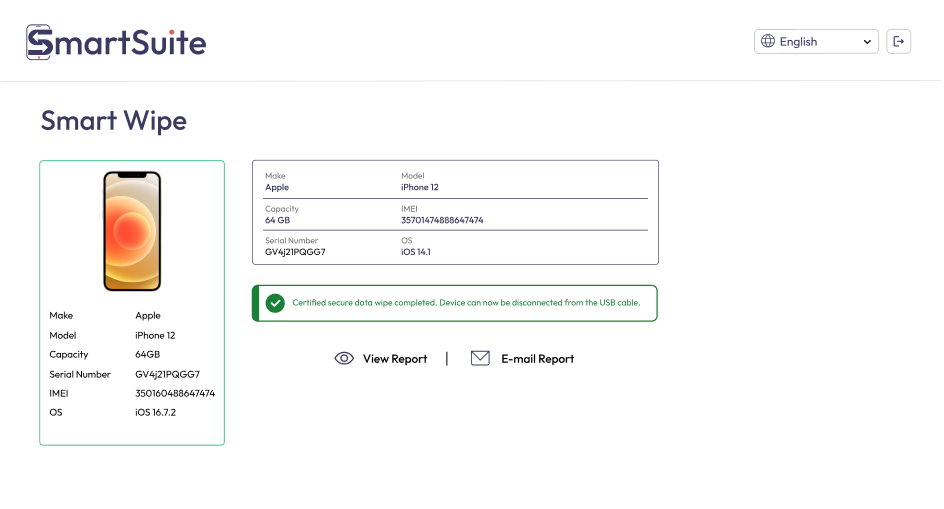
Once a device has passed the required checks, retailers should complete the appropriate data sanitization procedure. A bulk mobile device data wipe workflow can help businesses securely process multiple accepted trade-in devices before resale, provided the selected method is suitable and its successful completion is verified.
CellDe supports businesses exploring technology-driven device verification and management solutions. Combining automated checks with structured inspection and sanitization procedures can help retailers make more informed trade-in decisions.
Conclusion
Automated IMEI checks can help reduce fraud risks in mobile device trade-ins by identifying potential blacklist records, validating device identifiers, and supporting more consistent screening procedures. When implemented early in the trade-in process, these checks can help retailers avoid problematic inventory and improve transaction management.
Combining IMEI verification with a diagnostic tool for mobile phones and a structured bulk mobile device data wipe process creates a more comprehensive approach to device assessment and resale preparation. CellDe offers technology solutions that support smarter device verification workflows. As pre-owned smartphone transactions continue to increase, automated verification and secure device processing will become increasingly valuable for building efficient and trustworthy trade-in programmes.