
A reliable electrical distribution network depends on equipment that manages voltage levels and delivers electricity safely to different locations. A pole mount transformer plays an important role in this process by helping transfer electrical energy from distribution lines to levels suitable for residential, commercial, and other everyday applications. Installed on utility poles, these transformers form an essential part of overhead power distribution systems. Their design, voltage conversion capabilities, cooling arrangements, and capacity options allow electricity networks to serve different types of consumers while maintaining an organised distribution structure.
Understanding the Role of Pole-Mounted Transformers
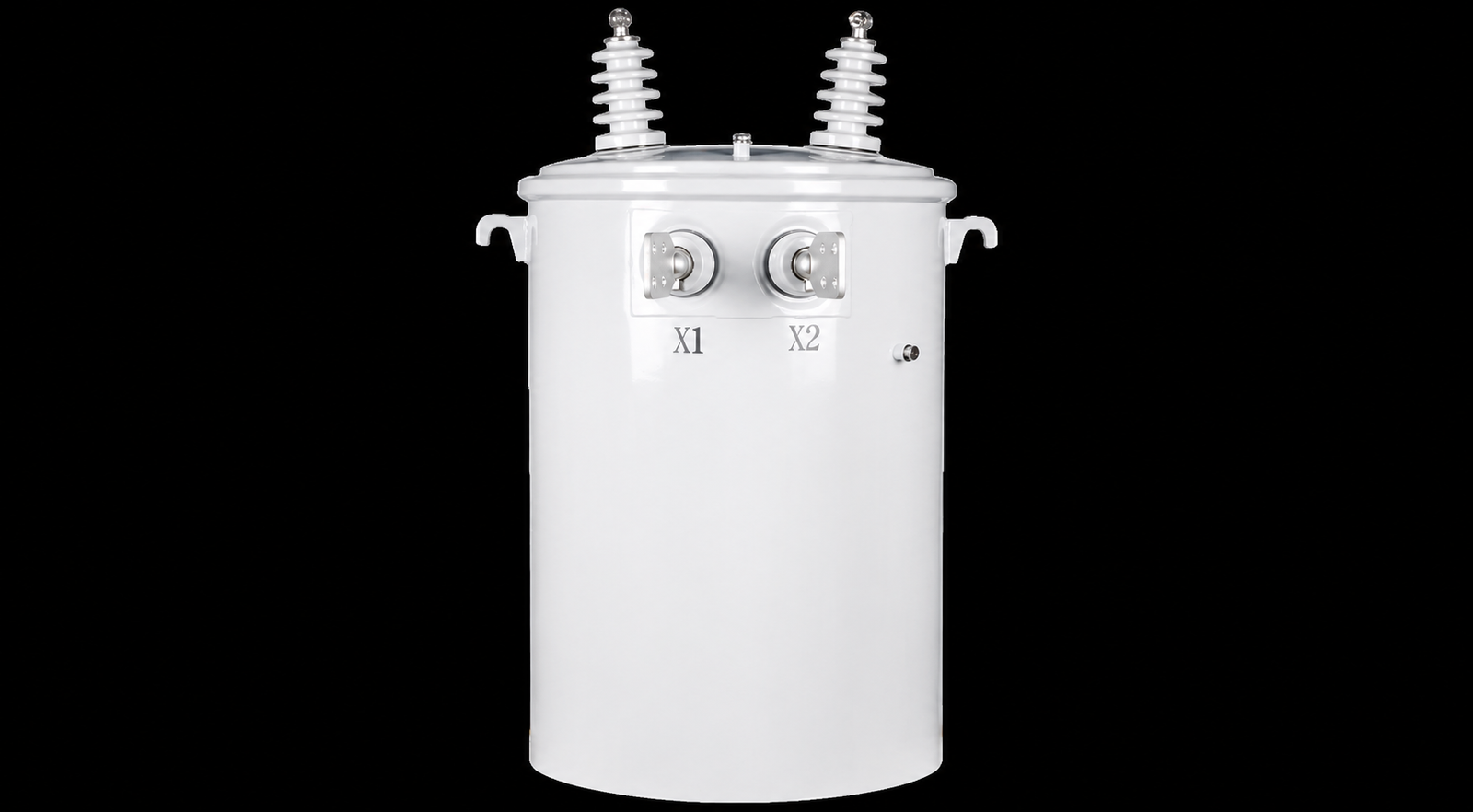
A pole-mounted transformer is an electrical device installed on a utility pole to reduce the voltage supplied through overhead distribution lines to a lower level suitable for end users. It operates through electromagnetic induction, transferring electrical energy between primary and secondary windings without requiring a direct electrical connection between them.
These transformers are commonly used in overhead distribution networks where electricity must travel from substations to individual buildings, streets, and smaller facilities.
Their main functions include:
- Reducing distribution voltage to usable levels.
- Supporting electricity delivery to residential and commercial properties.
- Providing electrical isolation between primary and secondary circuits.
- Maintaining suitable voltage levels for connected loads.
- Supporting local power distribution across different service areas.
By performing these functions, pole-mounted transformers help connect the broader electricity distribution system with the equipment and appliances used by consumers.
How a Pole Mount Transformer Works in an Electrical Network
Understanding the operating process helps explain how these transformers contribute to electricity distribution.
1. Receiving Electricity Through Primary Windings
Electricity reaches the transformer through overhead distribution lines at a higher primary voltage. The incoming supply connects to the primary winding, which creates a changing magnetic field when alternating current flows through it.
The transformer core provides a magnetic path that allows energy to transfer between the primary and secondary windings.
2. Converting Voltage Through Electromagnetic Induction
The changing magnetic field induces voltage in the secondary winding. The relationship between the number of turns in the two windings determines the voltage transformation.
A distribution transformer generally has fewer turns in its secondary winding than in its primary winding, allowing it to reduce the incoming voltage.
3. Delivering Electricity to Connected Loads
After voltage conversion, electricity leaves through the secondary terminals and enters the local distribution system. Depending on the transformer configuration, the output may supply residential properties, small commercial buildings, or other electrical loads.
This process makes electricity available at voltage levels appropriate for the connected distribution equipment and applications.
Important Components That Support Transformer Operation
A pole-mounted transformer contains several components that work together to support electrical performance and operational reliability.
Primary and Secondary Windings
The primary winding receives electrical energy from the distribution network, while the secondary winding delivers the converted voltage. Their electrical characteristics and winding arrangements determine the transformer’s voltage ratio and operating capacity.
Magnetic Core
The magnetic core provides a controlled path for magnetic flux between the windings. It is generally constructed from laminated electrical steel to reduce energy losses associated with circulating currents within the core material.
Transformer Tank
The tank houses the internal components and provides structural protection. In liquid-filled transformers, it also contains the insulating and cooling fluid required for operation.
Insulating Fluid
Mineral oil and biodegradable fluids such as natural ester-based alternatives can provide electrical insulation and assist with heat transfer. The fluid circulates within the transformer to help manage the temperature generated during operation.
Bushings and Electrical Connections
Bushings provide insulated connection points between internal windings and external conductors. They help maintain electrical separation between energised components and the transformer enclosure.
Different Capacity Options for Distribution Requirements
Electrical distribution networks serve locations with different energy requirements. For this reason, pole-mounted transformers are available in multiple KVA ratings.
Common capacity options include:
| Transformer Capacity | General Application |
| 15 KVA | Small electrical loads |
| 25 KVA | Residential distribution |
| 37.5 KVA | Residential and light commercial loads |
| 50 KVA | Moderate local distribution requirements |
| 75 KVA | Larger connected electrical loads |
| 100 KVA | Commercial and residential distribution |
| 167 KVA | Higher local distribution demand |
| 250 KVA | Substantial distribution requirements |
| 333 KVA | Larger overhead distribution applications |
The appropriate capacity depends on the connected load, expected demand, voltage requirements, and future expansion considerations.
Selecting a suitable KVA rating helps ensure that the transformer operates within its intended electrical limits.
How Pole-Mounted Transformers Support Different Applications
Pole-mounted transformers are used across several types of electrical distribution environments.
Residential Electricity Distribution
Residential areas require electricity for lighting, heating, cooling, kitchen equipment, and electronic devices. Pole-mounted transformers reduce distribution voltage to levels suitable for residential supply.
Depending on the network design, one transformer may serve an individual property or multiple nearby consumers.
Commercial Facilities
Small commercial buildings, offices, retail spaces, and service facilities require a consistent electrical supply for lighting, equipment, and everyday operations.
Pole-mounted transformers help provide the voltage conversion needed to connect these facilities to overhead distribution networks.
Rural and Remote Distribution
In rural areas, overhead electrical distribution systems can extend across long distances to reach properties that are separated by large spaces.
Pole-mounted transformers provide local voltage conversion near consumption points, helping distribution networks supply electricity to farms, residential properties, and smaller facilities.
Utility Distribution Infrastructure
Utility companies use distribution transformers as part of their broader electrical infrastructure. These units help transfer electricity from distribution feeders to local service connections, supporting the delivery of power across different geographic areas.
The Importance of Cooling and Insulation
Heat management and electrical insulation are essential considerations in transformer operation. Electrical losses within the windings and magnetic core generate heat, which must be managed to maintain suitable operating conditions.
ONAN Cooling System
ONAN stands for Oil Natural Air Natural. It describes a cooling arrangement in which insulating oil circulates naturally inside the transformer, while surrounding air removes heat from the tank surface.
This cooling method does not depend on forced oil circulation or powered cooling fans. It is commonly used in liquid-filled distribution transformers.
Mineral Oil Insulation
Mineral oil performs two important functions: electrical insulation and heat transfer. It helps separate energised internal components while carrying heat away from the windings and core.
Biodegradable Insulating Fluids
Natural ester-based insulating fluids, including FR3, offer another option for liquid-filled transformer applications. These fluids are recognised for their biodegradability and high fire point characteristics.
The choice of insulating fluid depends on equipment specifications, environmental considerations, and installation requirements.
Factors That Influence Pole-Mounted Transformer Selection
Selecting a suitable transformer involves evaluating several electrical and installation-related requirements.
Key considerations include:
- KVA capacity: The transformer rating should accommodate the expected electrical demand.
- Primary voltage: The primary voltage must match the distribution network.
- Secondary voltage: The output voltage must meet the requirements of connected loads.
- Phase configuration: Single-phase and three-phase systems serve different distribution requirements.
- Cooling method: The cooling arrangement should suit the transformer’s design and operating conditions.
- Insulating fluid: Fluid selection should consider electrical performance and environmental requirements.
- Installation conditions: Pole strength, mounting arrangements, clearances, and accessibility must be evaluated.
- Future demand: Expected changes in electrical consumption should be considered during capacity planning.
Evaluating these factors helps utilities and electrical professionals select equipment that aligns with the requirements of their distribution networks.
Maintenance Considerations for Long-Term Operation
Routine inspection and maintenance help maintain transformer performance and identify developing issues before they affect the wider electrical network.
Important maintenance considerations include:
Visual Inspections
Inspections can identify corrosion, damaged bushings, leaking fluid, loose external connections, and other visible conditions that require attention.
Temperature Monitoring
Operating temperature provides useful information about transformer loading and cooling performance. Unusual temperature changes may indicate excessive loading or cooling-related problems.
Insulating Fluid Assessment
For liquid-filled transformers, periodic fluid testing can help evaluate insulation quality, moisture levels, and other relevant characteristics.
Electrical Testing
Qualified electrical professionals may perform insulation resistance testing, winding resistance measurements, and other diagnostic procedures according to equipment requirements and applicable safety standards.
All inspection and maintenance activities should follow manufacturer recommendations and relevant electrical safety procedures.
Conclusion
Pole-mounted transformers play an essential role in electrical distribution networks by converting distribution voltage into levels suitable for local electricity consumption. Their winding arrangements, magnetic cores, cooling systems, insulating fluids, and different capacity ratings allow them to support residential, commercial, rural, and utility applications.
Understanding their operation and technical specifications helps electrical professionals make informed decisions about transformer selection, installation, and maintenance. Proper capacity planning and regular inspections also contribute to reliable power distribution and long-term equipment performance.