
Preparing land for a construction project requires careful planning, suitable machinery, and experienced professionals. Whether you are developing a residential property, constructing a commercial building, or improving an existing site, groundwork is an essential part of achieving successful results. Choosing reliable earthmoving contractors in Sydney can help ensure that excavation, land clearing, soil removal, and site preparation are completed efficiently and safely. However, not all contractors offer the same services, equipment, or level of experience. Before making a hiring decision, it is important to understand the different types of earthmoving work, project requirements, equipment options, and factors that influence service quality. This guide explains what to consider when selecting an earthmoving contractor for your next construction project.
What Do Earthmoving Contractors Do?
Earthmoving contractors specialize in moving, removing, and reshaping soil, rocks, and other materials to prepare land for construction or landscaping.
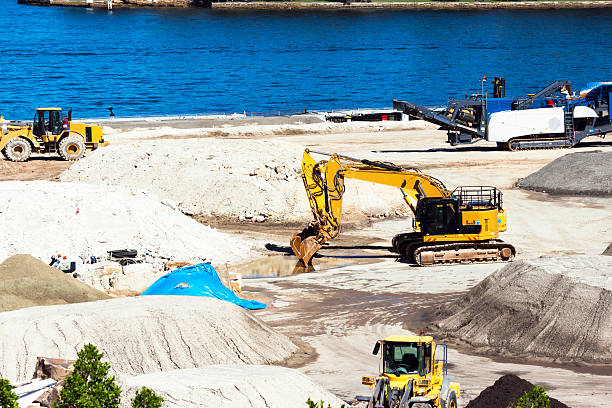
Their work helps create stable surfaces and suitable ground conditions for different types of projects. Depending on the site requirements, contractors may use excavators, bulldozers, loaders, graders, and other heavy machinery.
Earthmoving work is commonly required for:
- Residential construction and property development.
- Commercial building projects.
- Road and driveway construction.
- Landscaping and garden improvements.
- Drainage and trenching work.
- Land clearing and site levelling.
- Demolition-related groundwork.
Professional contractors assess the site before beginning work to determine the most suitable equipment, methods, and project schedule.
Common Earthmoving Services to Consider
Understanding the services offered by earthmoving professionals can help you identify the right contractor for your specific requirements.
1. Site Preparation
Site preparation involves making land suitable for construction. This may include removing unwanted vegetation, clearing debris, relocating soil, and preparing the ground for building activities.
Proper preparation helps create an organized working environment and reduces potential complications during later construction stages.
Contractors generally inspect the land to identify uneven surfaces, access limitations, existing structures, and other conditions that may affect the work.
2. Excavation Services
Excavation is the process of removing soil, rock, and other materials from the ground to create space for construction and infrastructure projects. It is an essential part of site preparation and is commonly carried out before building foundations, basements, trenches, drainage systems, and underground utilities.
The excavation process involves assessing the ground conditions, marking the required area, selecting suitable machinery, and carefully removing materials to achieve the required depth and shape. Depending on the project, excavation work may also include levelling the ground, removing excess soil, and preparing a stable surface for further construction activities.
3. Land Clearing
Land clearing involves removing vegetation, unwanted trees, shrubs, rocks, and surface debris from a designated area.
This service is often required before construction, landscaping, or property development begins.
A suitable clearing approach depends on the size of the land, vegetation density, environmental restrictions, and the intended use of the site.
4. Land Levelling and Grading
Uneven ground can create difficulties during construction and affect drainage. Land levelling and grading help establish suitable ground elevations and surface slopes.
These services are particularly useful for building foundations, driveways, outdoor spaces, and landscaping projects.
Proper grading can also help direct surface water away from structures and reduce the risk of water accumulation.
5. Trenching and Drainage Work
Trenching involves creating narrow excavations for underground pipes, electrical conduits, drainage systems, and other infrastructure.
Accurate measurements and careful excavation are essential to ensure that underground installations are positioned correctly.
Contractors should identify underground services before excavation to reduce the risk of damaging existing infrastructure.
6. Soil Removal and Disposal
Some construction projects generate excess soil, rock, and other excavated materials that must be removed from the site.
Earthmoving contractors can organize loading, transportation, and appropriate disposal or reuse arrangements.
Before hiring, ask how excavated materials will be handled and whether disposal costs are included in the project estimate.
Important Factors to Consider Before Hiring Earthmoving Contractors Sydney
Selecting the right contractor requires more than comparing prices. Several factors can influence the quality, safety, and efficiency of your project.
1. Experience and Project Knowledge
Experience is an important consideration when choosing an earthmoving contractor.
Professionals who have handled different types of projects may be better prepared to manage challenging ground conditions, restricted access, and changing site requirements.
Ask about their previous experience with projects similar to yours. A contractor familiar with residential excavation may have different equipment and expertise from one specializing in large commercial developments.
2. Equipment and Machinery Availability
The machinery used for earthmoving directly affects project efficiency.
Different equipment is designed for specific tasks, so the contractor should have access to suitable machinery for your site.
Common earthmoving equipment includes:
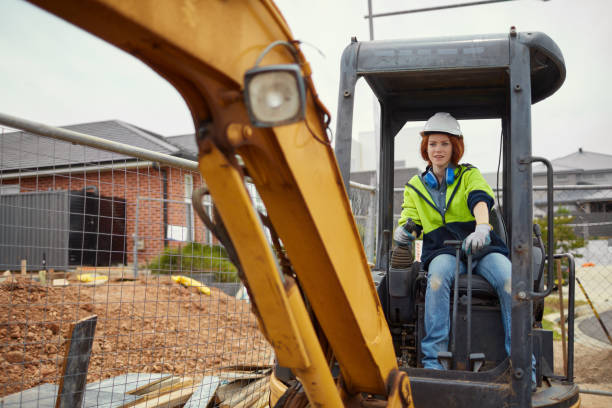
- Excavators: Used for digging, trenching, and removing soil.
- Bulldozers: Suitable for pushing large quantities of earth and clearing land.
- Skid steer loaders: Useful for smaller projects and restricted spaces.
- Wheel loaders: Designed for lifting and moving materials.
- Graders: Used to create smooth and accurately levelled surfaces.
- Dump trucks: Transport excavated soil and construction materials.
Ask whether the machinery is properly maintained and appropriate for your project size.
3. Licensing, Insurance, and Compliance
Before hiring, check whether the contractor has the necessary licences, qualifications, and insurance for the work being undertaken.
Construction and excavation activities must comply with relevant Australian and New South Wales regulations.
Depending on the project, you may also need development approvals, excavation permits, traffic management arrangements, or other authorizations.
Confirm that the contractor understands applicable workplace health and safety requirements and can provide evidence of appropriate insurance coverage.
4. Safety Procedures
Earthmoving activities involve heavy machinery, moving materials, underground utilities, and potentially unstable ground.
A professional contractor should follow suitable safety procedures throughout the project.
Ask about site inspections, equipment operator qualifications, exclusion zones, personal protective equipment, and emergency arrangements.
Good safety planning helps protect workers, visitors, nearby properties, and existing infrastructure.
5. Pricing and Project Estimates
Cost is another important factor when comparing contractors.
However, choosing the lowest quotation does not always provide the best value. An unusually low estimate may exclude important services or additional project expenses.
Request a detailed written quotation that explains:
- Machinery and operator costs.
- Estimated working hours.
- Excavation and soil removal charges.
- Transportation and disposal expenses.
- Site preparation requirements.
- Additional costs for unexpected conditions.
Comparing detailed quotations makes it easier to understand what each contractor is offering.
Understanding Sydney’s Site and Ground Conditions
Construction sites across Sydney can have different ground conditions, property layouts, and access challenges.
Some locations may contain clay-heavy soil, sandstone, rocky ground, or previously disturbed fill material. These conditions can influence excavation methods, machinery selection, and project costs.
Soil and Ground Assessment
A proper site assessment helps identify soil characteristics, ground stability, and potential excavation difficulties.
For larger or more complex projects, geotechnical investigations may be necessary to understand the ground conditions before construction begins.
Restricted Access Areas
Residential properties and established urban locations may have narrow driveways, limited entry points, or nearby buildings.
In these situations, compact machinery may be more suitable than larger equipment.
Contractors should evaluate access requirements before selecting machinery to avoid unnecessary disruption.
Drainage and Environmental Considerations
Sydney construction projects may also involve stormwater management, erosion control, and sediment management requirements.
Appropriate planning helps prevent soil runoff and reduces the risk of environmental damage during excavation and earthmoving activities.
Questions to Ask Before Hiring an Earthmoving Contractor
Asking the right questions can help you understand the contractor’s capabilities and avoid misunderstandings.
Consider asking:
- Have you completed similar residential or commercial projects?
- What machinery will be required for my site?
- Are excavation, transport, and soil disposal included in the quotation?
- Do you have the necessary insurance and qualifications?
- How will you manage underground utility risks?
- What is the estimated project completion time?
- How will unexpected ground conditions affect the final cost?
- What safety and environmental measures will be followed?
Clear communication before work begins helps establish realistic expectations and reduces the possibility of disputes.
Common Mistakes to Avoid When Hiring Earthmoving Contractors
Making a rushed hiring decision can create unnecessary expenses and project delays.
Here are some common mistakes to avoid:
- Choosing based only on price: Compare experience, equipment, safety practices, and service inclusions.
- Ignoring site inspections: Ground conditions and access limitations can significantly affect project requirements.
- Overlooking insurance: Always verify appropriate insurance coverage before work begins.
- Not checking references: Previous project experience can provide useful information about workmanship and reliability.
- Ignoring permits: Confirm which approvals are required before excavation starts.
- Failing to discuss disposal: Clarify how excess soil and other materials will be handled.
- Not agreeing on project details: Establish the scope, timeline, costs, and responsibilities in writing.
Final Thoughts
Hiring the right earthmoving professional is an important step in preparing land for construction, landscaping, and property development. From excavation and site clearing to grading, trenching, and soil removal, each service contributes to creating a suitable foundation for future work.
When comparing earthmoving contractors sydney, focus on experience, suitable machinery, safety procedures, insurance, pricing transparency, and knowledge of local site conditions. Request detailed quotations and ensure that project requirements are clearly discussed before work begins.
Taking time to evaluate these factors can help you avoid unnecessary delays, manage project costs, and achieve better groundwork results. A reliable contractor with proper planning and equipment can make the entire earthmoving process more organized, efficient, and manageable.