
Maintaining a comfortable indoor environment requires heating, ventilation and air conditioning systems to operate reliably throughout the year. Offices, commercial buildings, retail spaces and industrial facilities depend on these systems to regulate temperatures and maintain proper air circulation. An HVAC maintenance service helps keep heating and cooling equipment in good working condition through regular inspections, cleaning, testing and preventive repairs. Without proper attention, dust accumulation, worn components and airflow restrictions can affect system performance, increase energy consumption and lead to unexpected breakdowns. Regular maintenance helps identify potential issues early and supports consistent indoor comfort.
Why Is Regular HVAC Maintenance Important?
HVAC systems contain several components that work together to control indoor temperatures and circulate air. Over time, these components can experience wear and tear due to frequent operation, environmental conditions and dust accumulation.
Regular maintenance helps ensure that different parts of the system continue to perform as expected. It also allows technicians to identify minor faults before they develop into more complicated problems.
See also: Why Hard Disk Disposal Service Is an Important Part of IT Equipment Management
Maintaining Consistent Indoor Temperatures
An HVAC system should distribute conditioned air evenly throughout a building. Blocked filters, dirty coils or malfunctioning components can prevent the system from maintaining the desired temperature.
Routine inspections help identify airflow restrictions and performance issues. Addressing these concerns allows heating and cooling equipment to maintain more consistent indoor conditions.
Reducing Unexpected Equipment Problems
Unexpected HVAC failures can affect daily activities, particularly in commercial buildings where employees, customers and equipment depend on a comfortable environment.
Preventive maintenance helps identify worn parts, unusual noises, refrigerant-related concerns and other warning signs. Taking action early can reduce the likelihood of sudden equipment failures.
Key Tasks Included in an HVAC Maintenance Service
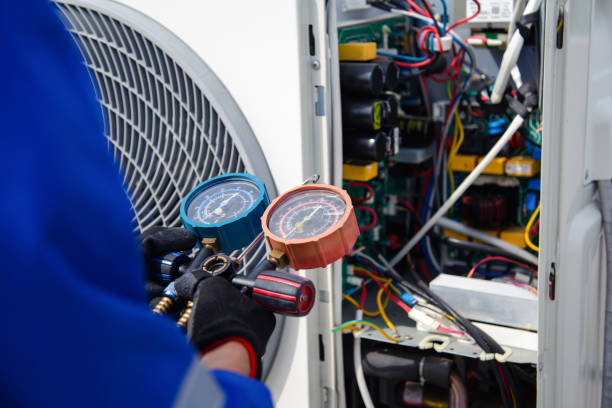
Proper HVAC maintenance involves checking different system components to ensure they are operating safely and efficiently. The exact tasks depend on the equipment type, system condition and building requirements.
Cleaning or Replacing Air Filters
Air filters capture dust, dirt and other airborne particles before they enter the HVAC system. Over time, filters can become clogged, restricting airflow and making equipment work harder.
During maintenance, technicians inspect filters and clean or replace them when necessary. Keeping filters in suitable condition supports better airflow and helps maintain indoor air quality.
Inspecting Heating and Cooling Coils
Evaporator and condenser coils play an important role in transferring heat within an HVAC system. Dirt and debris can accumulate on these surfaces, reducing their ability to exchange heat effectively.
Regular coil inspections and cleaning help maintain system performance. Technicians also check for visible damage or other conditions that may affect operation.
Checking Thermostats and Controls
Thermostats regulate heating and cooling by communicating temperature requirements to the HVAC equipment. Incorrect settings, calibration problems or faulty controls can lead to inconsistent indoor temperatures.
Maintenance includes checking thermostat operation, reviewing temperature settings and confirming that system controls respond appropriately.
Inspecting Electrical Connections
HVAC equipment relies on electrical components such as wiring, capacitors, contactors, switches and control boards.
Loose connections, damaged wiring and worn electrical components can affect system operation. Qualified technicians inspect relevant electrical parts and identify issues that require attention.
How HVAC Maintenance Improves Energy Efficiency
Energy consumption is an important consideration for commercial and residential property owners. Heating and cooling systems can use significant amounts of electricity, particularly when operating for extended periods.
Regular maintenance helps reduce unnecessary strain on equipment and supports efficient operation.
Improving Airflow
Restricted airflow can make an HVAC system work harder to distribute conditioned air. Dirty filters, blocked vents and obstructions in ductwork may contribute to this problem.
Cleaning filters, inspecting vents and checking duct conditions can help improve airflow. When air moves properly through the system, equipment can operate under more suitable conditions.
Supporting Proper Heat Transfer
Heating and cooling equipment depends on effective heat transfer to regulate indoor temperatures. Dirty coils and other neglected components can interfere with this process.
Routine cleaning and inspection help maintain the condition of heat transfer surfaces and support normal system performance.
Identifying Inefficient Operating Conditions
Unusual cycling, extended running times and inconsistent temperatures may indicate that an HVAC system is not operating as expected.
Maintenance inspections help technicians identify possible causes and recommend appropriate corrective actions. Resolving these issues can help avoid unnecessary energy use.
The Importance of Ductwork and Ventilation Maintenance
Ductwork distributes heated or cooled air throughout a building. Ventilation systems also help manage indoor air movement and introduce fresh outdoor air where required.
Problems within these systems can affect both comfort and equipment performance.
Checking Air Ducts for Leaks and Damage
Leaking or damaged ducts may allow conditioned air to escape before reaching the intended rooms. This can contribute to uneven temperatures and unnecessary system operation.
Inspecting accessible ductwork helps identify loose connections, damaged insulation and visible leaks that may require repair.
Keeping Vents and Registers Clear
Blocked supply and return vents can interfere with air circulation. Furniture, dust accumulation and other obstructions may restrict airflow.
Keeping vents clear and checking their condition helps maintain proper air distribution throughout the building.
Maintaining Ventilation Components
Ventilation fans, dampers and related components support indoor air movement. These parts should be inspected to identify unusual noise, damage or restricted operation.
Proper ventilation maintenance helps support comfortable indoor conditions and the intended performance of the HVAC system.
Warning Signs That an HVAC System Needs Maintenance
HVAC equipment often shows signs of declining performance before a major problem occurs. Recognising these warning signs can help property owners arrange inspections at the right time.
Unusual Sounds or Odours
Grinding, rattling, buzzing or squealing sounds may indicate loose components, motor problems or other mechanical concerns.
Unusual smells may also point to dust accumulation, moisture issues or electrical faults. These signs should be investigated rather than ignored.
Uneven Heating or Cooling
If some rooms feel warmer or cooler than others, the system may have airflow restrictions, ductwork problems or control-related issues.
A maintenance inspection can help identify the cause and determine the appropriate solution.
Increased Energy Consumption
A sudden increase in energy use without a corresponding change in operating conditions may indicate reduced system efficiency.
Dirty filters, faulty components and improper system settings are some possible causes. Regular servicing helps identify conditions that may contribute to unnecessary energy consumption.
Frequent System Cycling
An HVAC system that repeatedly switches on and off may have thermostat problems, airflow restrictions or equipment-related faults.
Frequent cycling can place additional strain on components and should be checked by a qualified technician.
Creating an Effective HVAC Maintenance Schedule
A planned maintenance schedule helps ensure that important inspection and servicing activities are completed consistently. The schedule should consider equipment type, operating hours, environmental conditions and manufacturer recommendations.
Monthly Maintenance Checks
Some basic maintenance activities can be performed regularly to monitor system condition.
These may include:
- Checking air filters for dirt and blockages.
- Keeping supply and return vents unobstructed.
- Looking for visible water leaks around equipment.
- Checking thermostat settings.
- Observing unusual sounds or changes in system performance.
Seasonal HVAC Inspections
Heating and cooling systems should be inspected before periods of heavy use. This helps identify potential concerns before equipment is required to operate for extended periods.
Seasonal servicing may include coil inspections, electrical checks, airflow testing, condensate drainage checks and an assessment of overall system performance.
Maintaining Service Records
Keeping accurate maintenance records helps property owners track completed inspections, repairs and recurring issues.
Records should include service dates, equipment details, identified problems, replaced components and recommended follow-up work. This information supports better maintenance planning and helps monitor equipment condition over time.
Benefits of Professional HVAC Maintenance
Professional maintenance provides a structured way to assess heating and cooling equipment. Qualified technicians have the knowledge and tools required to inspect system components, identify technical faults and recommend suitable repairs.
Supporting Equipment Lifespan
Regular inspections and timely repairs help reduce unnecessary stress on important HVAC components. Addressing minor problems early may help prevent further damage and support longer equipment service life.
Maintaining Indoor Comfort
Properly maintained heating and cooling systems are better positioned to deliver consistent temperature control. This is particularly important in workplaces, commercial facilities and buildings with changing occupancy levels.
Improving System Reliability
Routine servicing helps identify potential failures before they cause major interruptions. It also allows property owners to plan repairs and equipment servicing more effectively.
Conclusion
Regular HVAC maintenance is essential for keeping heating and cooling systems efficient, reliable and suitable for everyday use. From cleaning air filters and inspecting coils to checking electrical connections and maintaining ductwork, each maintenance task contributes to overall system performance. A planned HVAC maintenance service helps identify potential problems early, supports proper airflow and reduces unnecessary equipment strain. By following a consistent maintenance schedule and arranging professional inspections, property owners can maintain indoor comfort and support the long-term condition of their heating and cooling systems.