
Managing IT equipment involves more than purchasing, installing and maintaining computers, servers and storage devices. Businesses also need a structured approach to handling equipment that has reached the end of its operational life. A hard disk disposal service plays an important role in this process by supporting the responsible removal, handling and disposal of storage devices. Hard disks contain valuable business information and materials that require appropriate management when equipment is replaced or upgraded. Including proper disposal practices in IT equipment management helps organisations maintain better control over their hardware, support information security and encourage responsible electronic waste handling.
Understanding the Role of Hard Disk Disposal in IT Equipment Management
Hard disks are essential components of many IT systems. They store operating systems, business documents, applications, databases, customer records and other digital information. As technology develops, organisations regularly replace older storage devices with newer equipment that offers improved performance and capacity.
This creates a need for an organised disposal process. Hard disk disposal involves collecting, identifying, handling and processing storage devices according to their condition and disposal requirements.
Managing End-of-Life Storage Equipment
Every IT device has an operational lifecycle. Hard disks may eventually become outdated, reach their expected service life or be replaced as part of a technology upgrade.
A structured disposal process helps businesses manage these devices after removal from active systems. It also makes it easier to separate reusable equipment from storage devices that require recycling or other appropriate treatment.
Supporting Organised IT Asset Management
IT asset management involves tracking equipment from acquisition to retirement. Hard disk disposal forms an important part of this lifecycle because it ensures that storage devices are accounted for even after they are no longer in use.
Maintaining disposal records can help organisations understand which devices have been removed, where they have been transferred and how they were processed.
See also: Thomas Berkley: What Makes a Cleveland-Based AI Agency Business Partner?
Why Proper Hard Disk Disposal Matters for Businesses
Businesses handle different types of information through their IT infrastructure. Hard disks may contain financial documents, employee records, operational files, project information and customer-related data.
When storage devices are removed from service, their contents and physical condition need to be considered before disposal.
Maintaining Information Security
One of the main considerations in hard disk disposal is the information stored on the device. Deleting files or formatting a drive does not always ensure that the original information has been permanently removed.
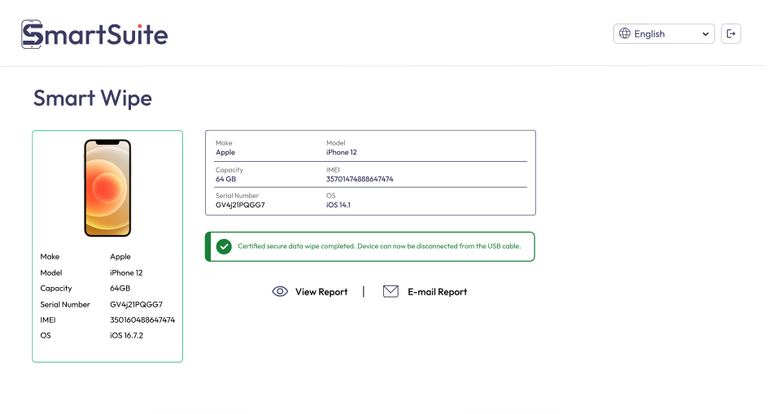
Professional data sanitisation and destruction methods help organisations manage stored information according to their security requirements.
Depending on the storage device and its condition, suitable methods may include:
- Data wiping: Using specialised software to overwrite stored information.
- Degaussing: Applying a magnetic field to disrupt data stored on compatible magnetic media.
- Physical destruction: Mechanically damaging the storage medium to make data recovery impractical.
- Verification: Checking and documenting the completion of the selected data sanitisation process.
The appropriate method depends on the type of drive, the sensitivity of the information and applicable organisational requirements.
Improving Equipment Retirement Procedures
A planned disposal process helps businesses establish clear procedures for retiring storage devices. Instead of allowing removed hard disks to accumulate in storage rooms or IT departments, organisations can arrange their collection and processing.
This creates a more organised equipment management system and supports accurate asset records.
Key Stages Involved in a Hard Disk Disposal Service
A professional disposal process generally involves several stages. Each stage contributes to the organised handling of storage devices and helps businesses maintain better oversight.
1. Identification and Inventory Management
The first step involves identifying the hard disks scheduled for disposal. IT teams may record information such as device type, serial number, storage capacity, physical condition and associated equipment.
An inventory helps organisations maintain a record of their retired storage assets. It also supports the identification of devices that require special handling.
2. Collection and Secure Handling
Once identified, hard disks are prepared for collection. Proper handling is important because storage devices may contain sensitive information and delicate internal components.
Organised collection procedures help maintain separation between different device categories and reduce the possibility of equipment being misplaced during transportation.
3. Data Sanitisation or Destruction
Before a hard disk enters the recycling or disposal stage, its stored information must be addressed.
Depending on the organisation’s requirements, the device may undergo verified data wiping or physical destruction. Magnetic degaussing may also be suitable for compatible magnetic storage media.
Solid-state drives require different treatment because they use flash memory rather than magnetic platters.
4. Recycling and Material Recovery
After the required data security process is completed, suitable hard disks can enter the appropriate recycling stream.
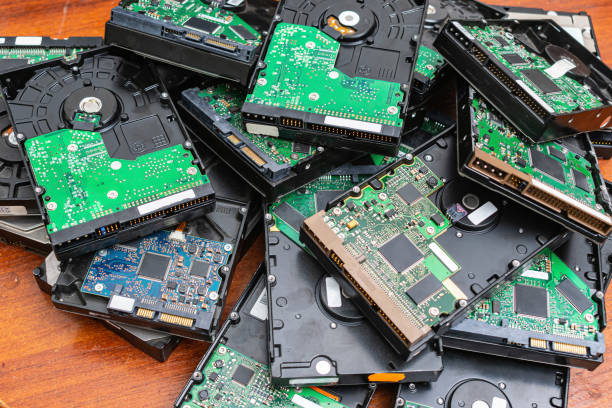
Storage devices contain different materials, including metals, plastics and electronic components. Specialist recycling processes help separate these materials for recovery and further processing.
5. Documentation and Disposal Records
The final stage involves maintaining appropriate documentation. Records may include device inventories, collection details, data destruction certificates and recycling information, depending on the service provided.
These documents help businesses maintain visibility over the disposal process and support internal asset management procedures.
The Environmental Importance of Responsible Hard Disk Disposal
Electronic waste management is another important consideration in IT equipment retirement. Hard disks contain materials that can be recovered and reused through suitable recycling processes.
Responsible disposal helps organisations manage electronic waste as part of their wider environmental practices.
Supporting Material Recovery
Hard disks contain aluminium, steel, copper and other materials used in electronic manufacturing. Recycling facilities can process suitable components to recover valuable materials.
Material recovery supports the reuse of resources and reduces the need to rely entirely on newly extracted raw materials.
Reducing Electronic Waste
Discarded electronic equipment contributes to the growing volume of e-waste. When storage devices are handled through appropriate recycling channels, recoverable materials can be separated from components that require specialised treatment.
This supports more organised waste management and encourages responsible resource use.
Encouraging Sustainable IT Practices
Businesses can include responsible hard disk disposal in their wider sustainability strategies. Combining equipment upgrades, asset reuse, data sanitisation and recycling creates a more structured approach to technology management.
Factors to Consider When Selecting a Hard Disk Disposal Service
Choosing an appropriate disposal service requires businesses to evaluate their operational and information management requirements.
Data Security Procedures
Organisations should understand which data sanitisation or destruction methods are available. The selected process should match the type of storage device and the sensitivity of the information it contains.
Device Handling and Transportation
Collection and transportation procedures should provide clear control over storage devices. Businesses should understand how equipment is identified, packed, transferred and tracked throughout the process.
Recycling Capabilities
It is useful to understand how the service handles different storage device types and whether suitable electronic waste recycling channels are available.
Documentation and Reporting
Disposal records provide useful information about retired IT assets. Businesses should consider whether the service provides inventory reports, destruction certificates or other relevant documentation.
Integrating Hard Disk Disposal Into the IT Equipment Lifecycle
Hard disk disposal should be considered during the planning of IT equipment upgrades rather than treated as an unrelated activity.
Establishing a Regular Disposal Schedule
Businesses can review their storage equipment periodically to identify devices that are no longer required. A planned schedule helps IT departments coordinate equipment replacement and disposal activities.
Coordinating With IT Teams
IT teams understand how storage devices are used within business systems. Their involvement helps identify which devices can be reused, which require data sanitisation and which should proceed to destruction or recycling.
Maintaining Accurate Asset Records
Updating asset management records after equipment retirement helps organisations maintain an accurate overview of their IT infrastructure.
These records can support future equipment planning, internal audits and technology replacement decisions.
Conclusion
A hard disk disposal service is an important part of effective IT equipment management because it supports organised asset retirement, information security and responsible electronic waste handling. From device identification and secure collection to data destruction, recycling and documentation, each stage contributes to a more controlled disposal process.
By incorporating appropriate disposal procedures into their IT equipment lifecycle, businesses can improve asset tracking, manage stored information responsibly and support material recovery. A planned approach to hard disk disposal helps organisations maintain a well-managed IT environment while encouraging more sustainable technology practices.